
How to Handle a Roadside Emergency: A Step-by-Step Guide


Stay Calm and Assess the Situation
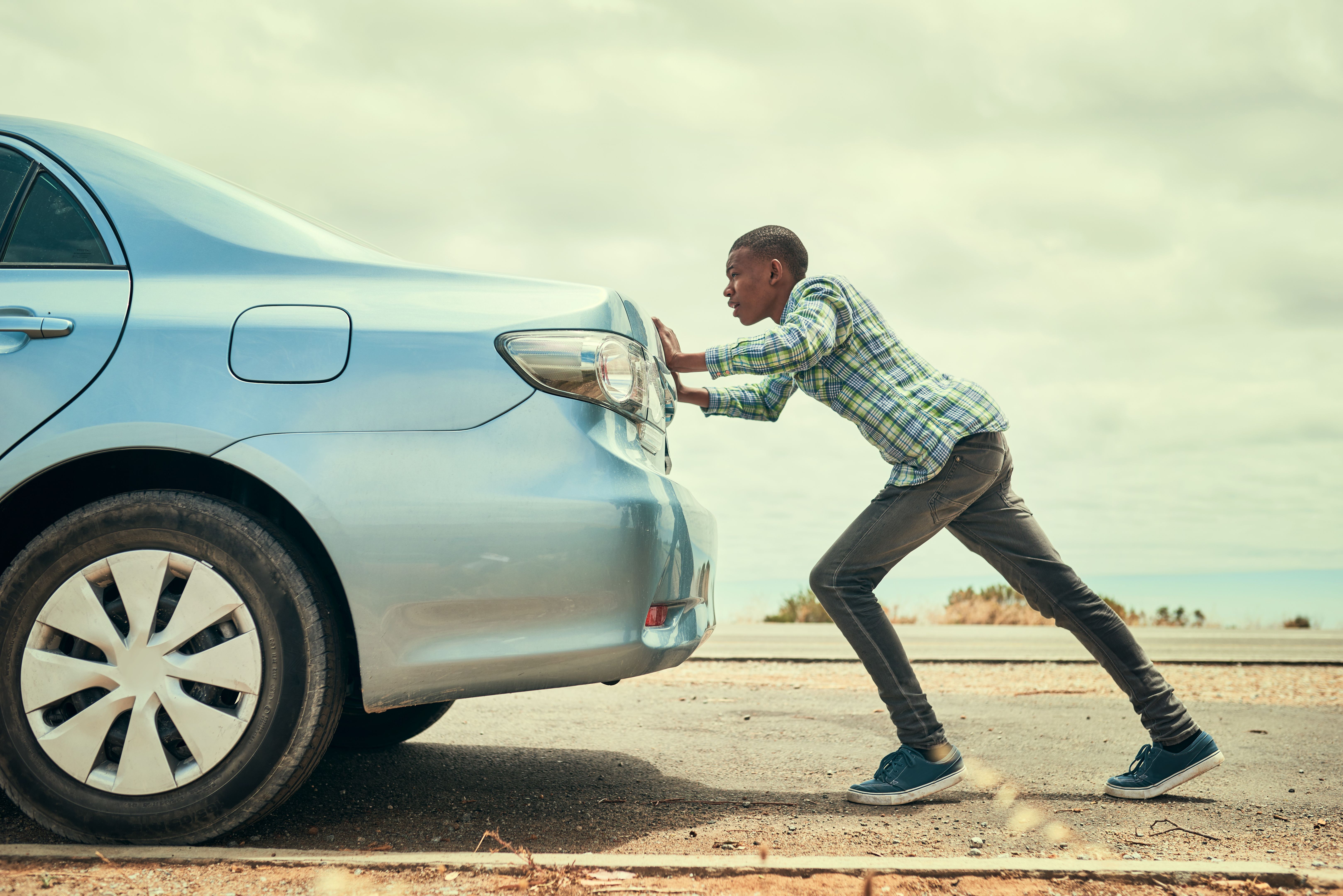
Encountering a roadside emergency can be stressful, but staying calm is crucial. Begin by assessing the situation carefully. Determine whether you can handle the issue yourself or if you need professional assistance. Take a deep breath and focus on ensuring everyone's safety.
Ensure Safety First
Safety should be your top priority. If possible, move your vehicle to a safe location away from traffic. Turn on your hazard lights to alert other drivers. If you have flares or reflective triangles, place them around your vehicle to make it more visible.
Contact Emergency Services if Necessary
If anyone is injured, call emergency services immediately. Provide them with your location and a brief description of the situation. Even if there are no injuries, contacting roadside assistance can be a wise move to ensure you're back on the road safely.
Diagnosing the Problem
Once you're in a safe location, try to diagnose the problem if you feel comfortable doing so. Common issues include flat tires, engine trouble, or dead batteries. Having a basic toolkit and knowledge of simple fixes can be helpful.

Changing a Flat Tire
If you have a flat tire, follow these steps to change it:
- Loosen the lug nuts slightly with a wrench.
- Use a jack to lift the vehicle off the ground.
- Remove the lug nuts and take off the flat tire.
- Place the spare tire on the wheel hub and tighten the lug nuts.
- Lower the vehicle and fully tighten the lug nuts.
Dealing with a Dead Battery
If your battery is dead, you may need a jump start. Use jumper cables and a working vehicle to connect the batteries. Make sure to connect the positive and negative terminals correctly. Once the car starts, let it run for a few minutes to recharge the battery.
Preventive Measures
To minimize the risk of future roadside emergencies, regular vehicle maintenance is key. Check your tire pressure, battery health, and fluid levels periodically. Keeping a roadside emergency kit in your car can also be invaluable.
What to Include in an Emergency Kit
Your emergency kit should contain:
- Jumper cables
- First aid kit
- Flashlight with extra batteries
- Basic tools like a wrench and screwdriver
- Reflective triangles or flares
- Non-perishable snacks and water
By following these steps and being prepared, you can handle a roadside emergency with confidence. Remember, safety is the most important aspect, and knowing what to do can make all the difference.